
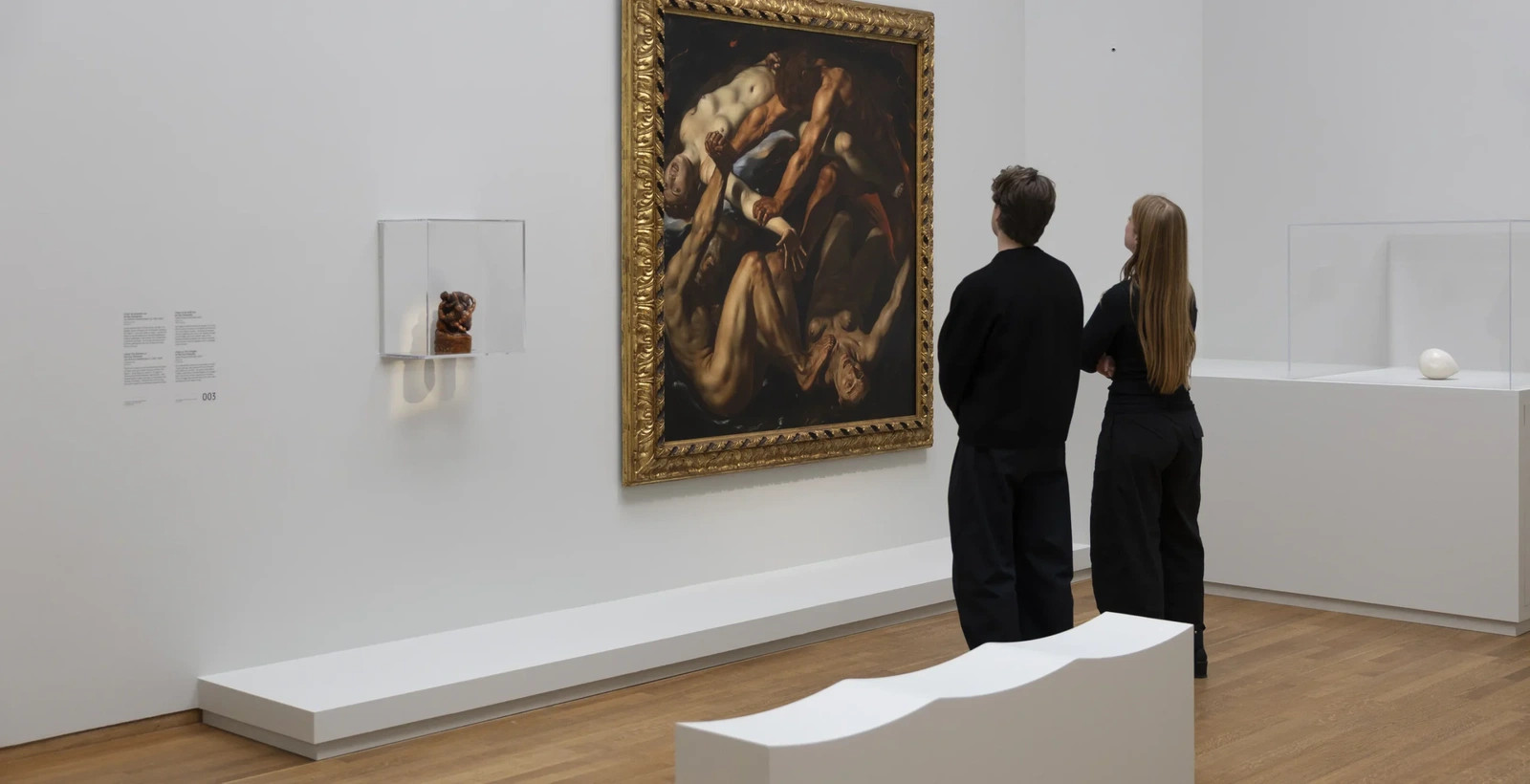
Young people aren’t turning their backs on art, but museums don’t always make it easy for them to connect with it. So what does it take to bring a new generation through the doors?
Over the past few years, Fronteer strategists Lieke Schneijdenberg and Tim Ramsche have been talking to young people across the Netherlands about art, museums and what makes a cultural experience worth their time. Their findings have helped shape new approaches to museum programming, including Rijksmuseum After Hours.
For many young people, museums can feel like places where you’re supposed to know things. Have an opinion. Understand what you’re looking at. Faced with vast collections, expensive tickets, early closing times and a whole set of unwritten rules, it’s easy to see why some might feel museums aren’t really for them. But the problem isn’t the classical art, it’s how we invite people to engage with it.
Beyond the museum label
Art has always had something to say about the world we live in. A 17th-century portrait, for instance, isn’t just a painting of someone who lived hundreds of years ago. It’s a story about identity, status and how we choose to present ourselves. Historical works can open up conversations about love, sexuality, power and belonging. The themes are timeless, it’s how we bring them to life that makes the real difference.
Not everything needs an app
When it comes to attracting young adults, digital innovation is often seen as the obvious answer. More screens, more interactive technology, more apps. But that’s not necessarily what young people are asking for. In fact, many of those we spoke to said they’d rather spend less time on their phones, not more. What they’re looking for is something much more human, such as meaningful encounters, interesting conversations, stories that stay with them and opportunities to see the world, and each other, in a different light.
The museum as a third space
What if museums became places you could simply spend time in, rather than destinations you had to plan a visit to? That’s the idea behind the museum as a third space: somewhere between home and work or study, where people can meet, explore and feel part of something. A place to pop into for an hour, join a workshop, catch an event or simply have a coffee.
Ticket prices can still be a barrier, of course, but most museums already have plenty of spaces that don’t require admission, from cafés and gardens to courtyards and shops. There’s an opportunity to make much more of them.
A museum doesn’t need to become a nightclub
There’s a time and place for a good party, but turning up the music isn’t necessarily the way to win over a younger audience. Young people who are curious about art want to experience the art itself. Music and events can add another dimension, but they shouldn’t become the main attraction. The real opportunity lies in playing to a museum’s strengths. Gen Z has an appetite for depth, discovery and experiences that feel worthwhile. Sometimes a creative workshop or a conversation around a single artwork can offer far more than a big night out.
In co-creation with the next generation
If you want to know what young people want from museums, there’s a fairly straightforward place to start: ask them. Better still, involve them in creating the experience. Youth advisory panels and co-creation sessions aren’t just useful research tools. They give young people a genuine say in what happens, help build a sense of ownership and create a community of people who want to bring others along. Rather than trying to make art more entertaining for young people, the challenge is to find new ways of making it relevant. The stories are already there. It’s about opening them up to new perspectives.
Putting insights into practice at the Rijksmuseum
For Rijksmuseum, we worked alongside the museum’s youth advisory panel and other young people to turn these insights into ideas for programming. Together, we explored the stories, themes and formats that would make the museum feel more relevant and welcoming to a new generation. Their input helped inform initiatives such as Rijksmuseum After Hours, creating new opportunities for young people to engage with art on their own terms. And perhaps that’s the biggest shift of all. Instead of asking “How do we get more young people into museums?”, we should be asking “How can we create a museum that young people feel is theirs, too?”
